Can I Eat Soy Foods During Perimenopause?
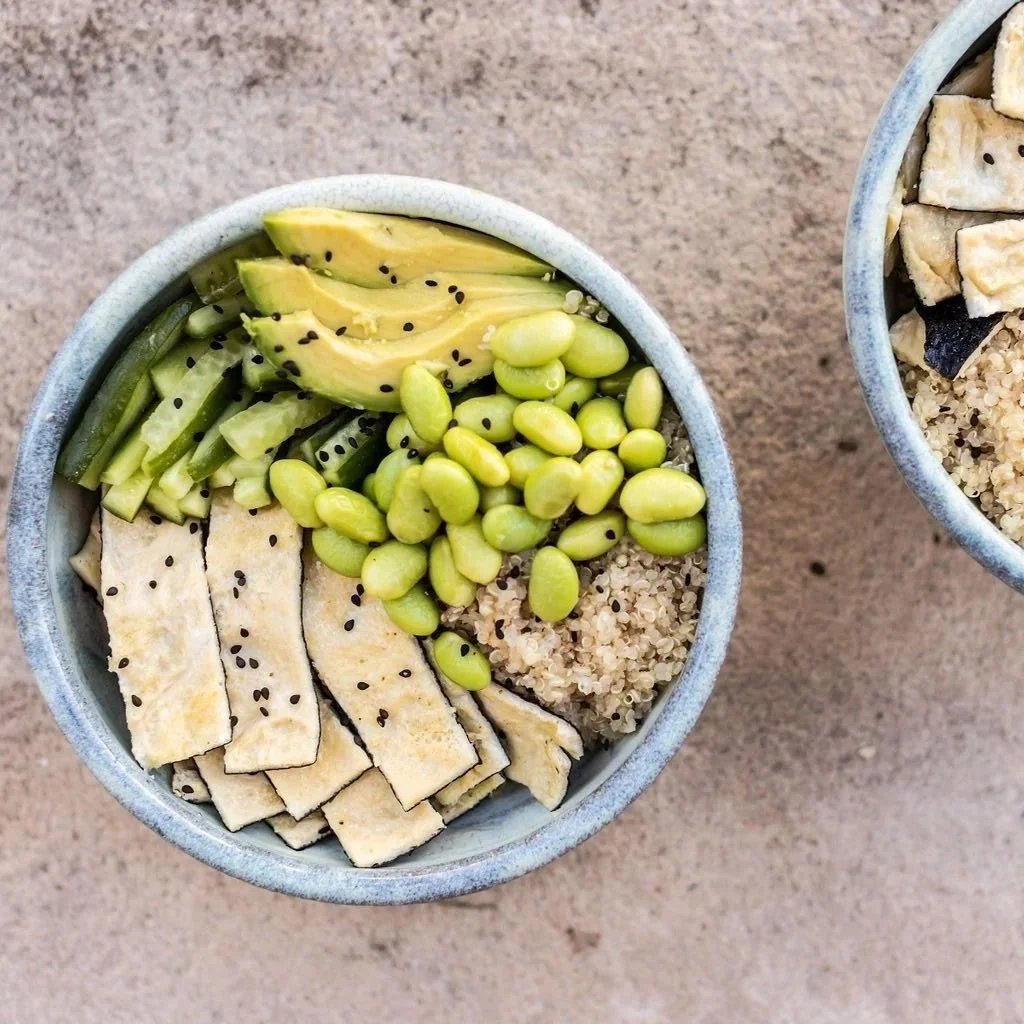
Soy is one of those foods that attracts a lot of attention during menopause. You may have heard that soy can increase oestrogen levels, that it's unsafe during or after menopause, or that it can help reduce hot flushes.
So, what does the evidence actually tell us?
The good news is that for most women, soy foods can be a nutritious part of the diet during perimenopause and menopause.
Let's take a closer look.
What are phytoestrogens?
Soy foods naturally contain compounds called isoflavones, which belong to a group of plant compounds known as phytoestrogens.
Despite the name, phytoestrogens are not the same as the oestrogen produced by the human body. They have a similar chemical structure, which means they can interact with oestrogen receptors in the body, but their effects are much weaker and different from our own oestrogen.
Rather than simply "acting like oestrogen", soy isoflavones can have different effects depending on the tissue and the type of oestrogen receptor they interact with.
Importantly, eating soy does not cause a large increase in circulating oestrogen levels. A recent systematic review of 40 clinical trials found that soy isoflavones did not significantly alter oestradiol, FSH, vaginal maturation or endometrial thickness in postmenopausal women.1
So, there's no need to avoid soy foods because you're worried that they will "raise your oestrogen too much".
Can soy help with hot flushes?
This is where the evidence gets a little more complicated.
Some research suggests that soy isoflavones may modestly reduce the frequency or severity of hot flushes in some women.2 However, results across studies have been inconsistent. Some systematic reviews have found a benefit, while more recent reviews have not found a significant effect on hot flushes or other vasomotor symptoms.3
So, I wouldn't describe soy as a treatment for hot flushes. Instead, I'd think of it as one nutritious food that may provide a small benefit for some women, alongside the many other benefits of including a variety of plant foods in your diet.
If hot flushes are significantly affecting your quality of life, there are more established treatment options worth discussing with your GP or menopause specialist.
Does soy affect breast cancer risk?
Current evidence does not show that eating whole soy foods increases breast cancer risk. Some observational studies have even found an association between higher soy intake and a lower risk of breast cancer, although this does not mean we should eat soy specifically to prevent breast cancer.4,5
For women who have had breast cancer, the evidence is also reassuring. Cancer Council Australia states that soy foods do not need to be avoided by breast cancer survivors.6 However, there is a difference between whole soy foods and concentrated soy or isoflavone supplements. There is considerably less evidence regarding the safety and effectiveness of high-dose isoflavone supplements, so these are generally not recommended.
If you've had breast cancer or are taking medications such as tamoxifen, it's always sensible to discuss your individual circumstances and any supplements with your treating specialist or Accredited Practising Dietitian.
The best soy foods to eat
If you'd like to include more soy in your diet, I'd recommend starting with whole or minimally processed soy foods.
Some nutritious options include:
Tofu (made from whole soy beans)
Tempeh
Edamame
Calcium-fortified soy milk (made from whole soy beans)
Roasted soy beans
Miso
These foods provide more than just isoflavones. They also contribute protein, fibre, healthy fats and a range of vitamins and minerals.
Simple ways to include more soy
Adding soy to your diet isn’t essential, but if you want to include it you can!
You could try:
Adding edamame to salads, Buddah bowls or stir-fries
Using tofu in stir-fries, curries or soups
Adding tempeh to wraps, tacos or nourish bowls
Choosing soy milk for your coffee, smoothie or muesli
Your takeaway
Soy has been surrounded by myths for years, particularly when it comes to menopause and breast cancer.
But the evidence is reassuring: for most women, whole soy foods are safe and nutritious and can be a healthy addition to your diet during perimenopause and after menopause.
Soy isn't a magic food and it isn't a treatment for menopause. While soy isoflavones may modestly improve hot flushes for some women, the evidence is mixed, so don’t rely on soy to manage troublesome symptoms.
Instead, think about soy as one part of an overall healthy eating pattern, alongside plenty of vegetables, fruit, wholegrains, legumes, nuts and seeds, healthy fats and adequate protein.
References
Viscardi, G., Back, S., Ahmed, A., et al. (2025). Effect of soy isoflavones on measures of estrogenicity: A systematic review and meta-analysis of randomized controlled trials. Advances in Nutrition, 16(1), 100327.
Taku, K., Melby, M. K., Kronenberg, F., Kurzer, M. S., & Messina, M. (2012). Extracted or synthesized soybean isoflavones reduce menopausal hot flash frequency and severity: Systematic review and meta-analysis of randomized controlled trials. Menopause, 19(7), 776–790.
Gençtürk, N., Bilgiç, F. Ş., & Kaban, H. U. (2024). The effect of soy isoflavones given to women in the climacteric period on menopausal symptoms and quality of life: Systematic review and meta-analysis of randomized controlled trials. Explore, 20(6), 103012.
Messina, M. (2016). Impact of soy foods on the development of breast cancer and the prognosis of breast cancer patients. Forschende Komplementärmedizin, 23(2), 75–80. https://doi.org/10.1159/000444735
Cancer Australia. (2025). Lifestyle factors: Phytoestrogens and soy products. Australian Government.
Cancer Council Australia. (2025). Information sheet: Soy & isoflavones. Cancer Council Australia.